
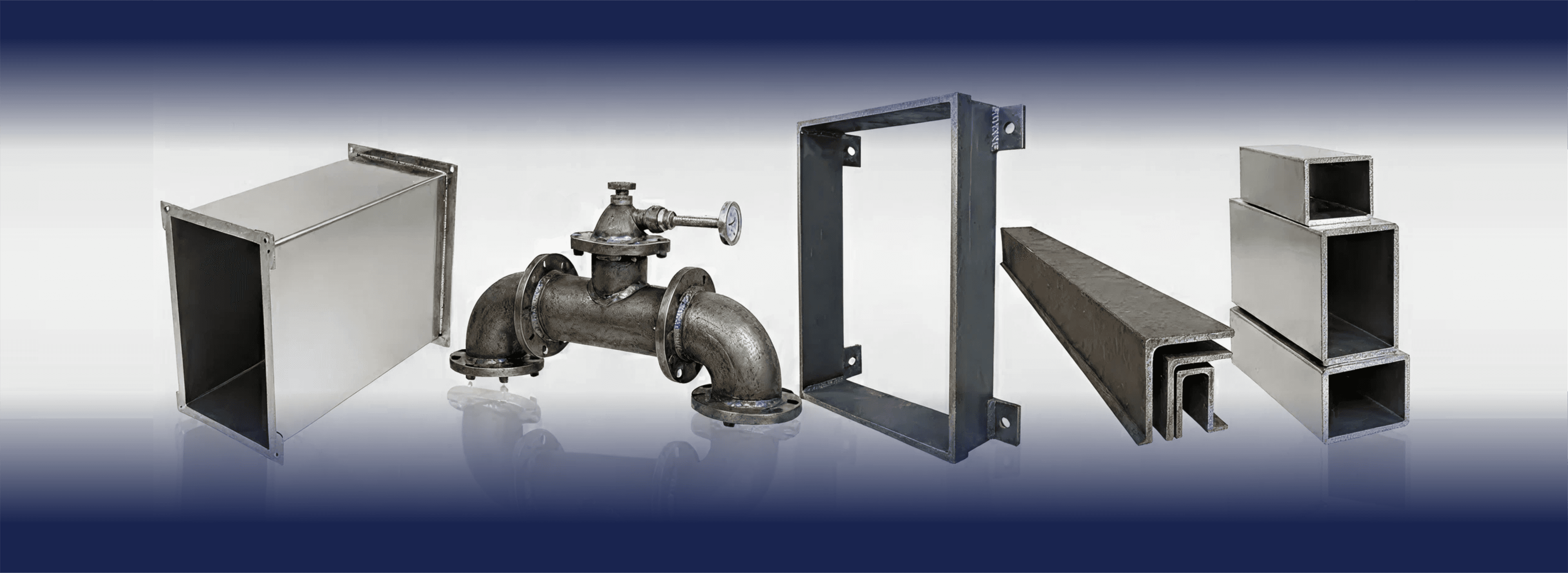
OIL & GAS PIPE SPOOL FABRICATION ON THE GULF COAST
JMC Fabrication shop-fabricates pipe spools for oil and gas EPC contractors, industrial facilities, and offshore clients from a 50,000 sq ft AWS certified shop in Pascagoula, MS. Carbon steel and stainless spools are built to isometric drawings with the NDE records, material test reports, and traceability EPC buyers specify.
On an EPC schedule, field welding is the slow, expensive, hard-to-document path. Shop-fabricated spools move that work into a controlled environment where weld access, NDE, and traceability are simple to manage, then arrive ready for field connection. That compresses the field schedule, reduces site labor, and keeps the documentation package clean for the buyer's turnover requirements.
JMC's pipe spool scope covers the process and utility piping EPC packages require:
- Carbon steel spools (ASTM A53, A106) for process piping
- Stainless steel spools (304, 316) for sour service, high-chloride, and corrosion-critical streams
- Flanges, nozzles, reducers, and fittings fabricated to specification
- Weld mapping per joint for full traceability
- Fabrication from customer isometrics or JMC-reviewed drawings
EPC turnover lives on documentation, and JMC builds it during fabrication, not after:
- Isometric review, mark-up, and weld mapping
- NDE documentation per project specification
- Material test reports and mill certifications per heat
- Weld logs, inspection records, and closeout packages
- Traceability from raw material to delivered spool
JMC's in-house engineering team reviews customer isometrics before fabrication, flags fabricability issues, and supports material selection for the service conditions, including carbon versus stainless calls driven by sour service or chloride load. Getting material and procedure locked early is what keeps a spool package from turning into field rework.
JMC sits on the Gulf Coast industrial corridor in Pascagoula, MS, with access to the region's offshore, petrochemical, and LNG supply chains. Southeast delivery is practical and efficient, and nationwide shipping is available for larger EPC accounts.
- Pipe Spool FabricationShop-fabricated pipe spools for oil & gas, marine, and industrial applications. AWS and NAVSEA certified welding from Pascagoula, MS. Carbon and stainless steel.
- Carbon Steel FabricationCarbon steel fabrication for pipe spools, HVAC duct, structural components, and custom weldments. ASTM A36, A53, A106. AWS certified welding from Pascagoula, MS.
- Stainless Steel FabricationNAVSEA and AWS certified stainless steel fabrication for marine, oil & gas, and specialty industrial applications. 304 and 316 stainless. Pascagoula, MS.
What pipe materials and grades does JMC fabricate for oil and gas spools?
JMC fabricates carbon steel spools in ASTM A53 and A106 for process piping, and 304/316 stainless steel for sour service, high-chloride, and corrosion-critical streams. Contact us to confirm additional grades and schedules required by your specification.
Can JMC fabricate pipe spools to our project code requirements?
JMC fabricates pipe spools per the code requirements specified in the project scope. Contact us to confirm the compliance approach for your applicable code before submitting an RFQ.
What documentation comes with an oil and gas spool package?
Each package includes isometric mark-ups and weld maps, NDE documentation per specification, material test reports and mill certifications per heat, weld logs, and a project closeout package, with traceability from raw material to delivered spool.
Does JMC serve Gulf Coast offshore and petrochemical EPC work?
Yes. JMC is in Pascagoula, MS on the Gulf Coast industrial corridor with access to offshore, petrochemical, and LNG supply chains. We serve EPC contractors across the Gulf Coast and Southeast and ship nationwide for larger projects.
Why choose shop-fabricated spools over field fabrication for EPC work?
Shop fabrication delivers better quality control, cleaner documentation, and faster field installation. A controlled shop environment allows tighter weld tolerances, easier NDE access, and full traceability, which reduces field rework and turnover risk.